

A stronger Palm Beach County sale starts well before the listing goes live. By pairing thoughtful preparation, accurate pricing, polished marketing, and a plan for offers, sellers can present their property clearly and make confident decisions from launch through closing.
Start With a Clear Plan, Not a Rush to List
Selling a home in Palm Beach County can feel like a long checklist, but the most effective sales often begin with a simple question: what will help this particular property show its value most clearly? A waterfront condominium, a Boca Raton single-family home, a townhome near a village center, and a residence farther inland may attract attention for different reasons. The goal is not to make a home look like every other listing; it is to make its best features easy for buyers to understand.
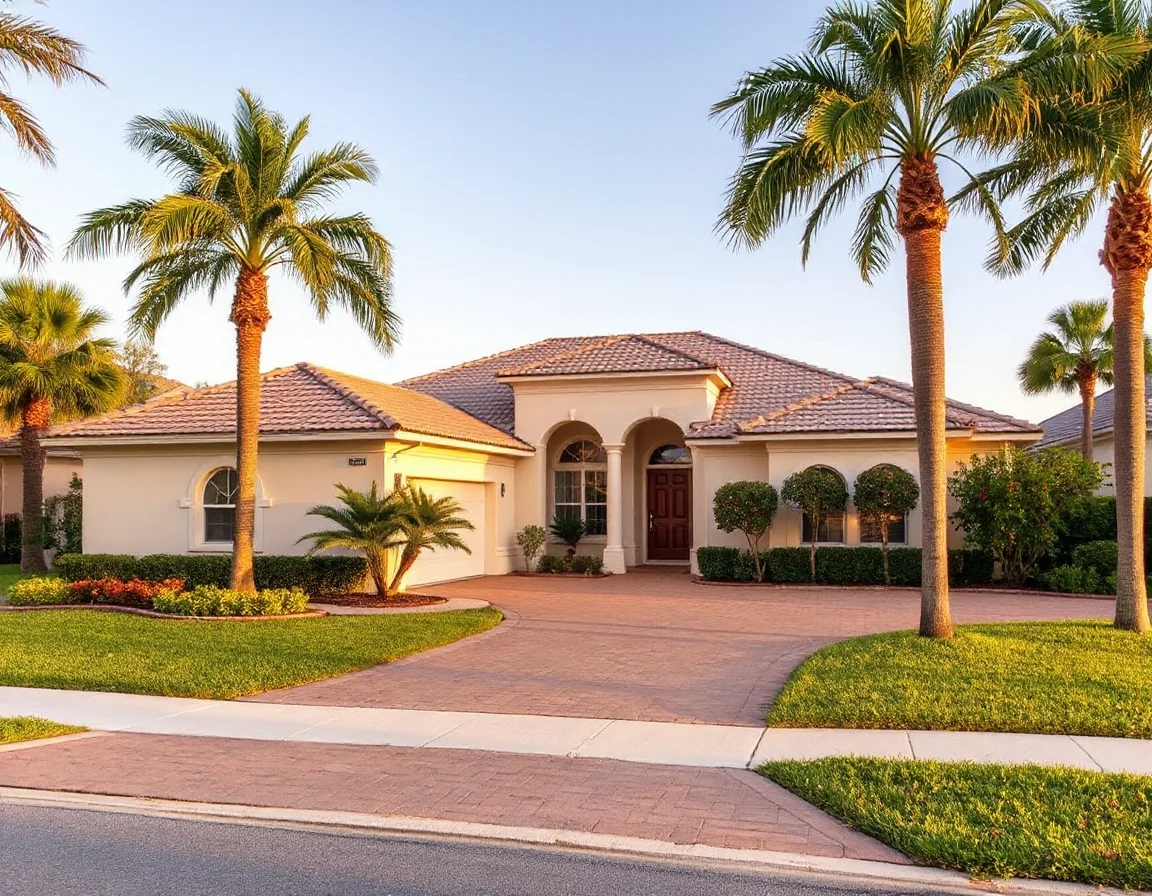
Begin by setting a practical timeline. Consider when you would like to move, whether you need proceeds from the sale for your next purchase, and which improvements can realistically be completed before photography and showings. A pre-listing walkthrough can help identify the items that matter most: visible maintenance concerns, cluttered rooms, worn exterior details, dated light fixtures, or landscaping that could use attention.
Not every project produces the same return. Fresh paint in a neutral palette, repaired screens, pressure-cleaned hard surfaces, refreshed mulch, and a carefully edited interior can often improve first impressions without turning the pre-sale period into a major renovation. If a roof, HVAC system, windows, or other significant component has been updated, gather permits, warranties, service records, and dates. Clear documentation helps buyers evaluate the property with fewer unanswered questions.
The first online impression is often formed in seconds. A clean exterior, uncluttered rooms, and readily available property details can make a listing easier to compare and easier to remember.
It is also useful to prepare for the practical questions that arrive early. Know the monthly HOA or condominium fees, community rules, rental policies, utility patterns, flood-zone information where applicable, and any special assessments or planned work. For properties in associations, having the relevant documents organized before an offer arrives can keep the transaction moving with less last-minute scrambling.
Price From Evidence and Current Competition
Pricing is one of the most visible decisions in a sale, yet it should be based on more than a nearby headline or the highest number found online. A useful pricing review considers recent closed sales, active listings, homes that were withdrawn or expired, days on market, property condition, lot or view differences, HOA factors, and the terms attached to comparable transactions. The right comparison set is often narrower than an entire ZIP code.
In Palm Beach County, location details can shape value in meaningful ways. Proximity to beaches, golf courses, public parks, cultural venues, major roadways, water access, and neighborhood commercial districts may influence buyer interest, but each property should be evaluated on its own facts. A home’s floor plan, maintenance history, outdoor space, parking, updates, and view can matter as much as the community name on the listing.
A realistic list price does not mean leaving value on the table. It means positioning the property so qualified buyers can recognize its relationship to available alternatives. A price that is substantially ahead of comparable options may lead buyers to wait, while a price supported by current market evidence can create more productive conversations and stronger showing activity.
Once the home is listed, review feedback and market response with context. A few days of quiet may not tell the whole story, especially around holidays, weather events, or seasonal travel patterns. However, repeated feedback about condition, layout, price, or competing inventory deserves attention. A thoughtful adjustment made at the right time can be more effective than letting a listing become stale without a plan.
Make the Marketing Show the Property’s Everyday Value
Strong marketing translates property details into a clear visual and written story. Professional photography should highlight natural light, room flow, outdoor areas, storage, architectural details, and the spaces buyers are most likely to compare. A well-prepared listing description can explain meaningful upgrades and practical features without overselling or relying on vague superlatives.
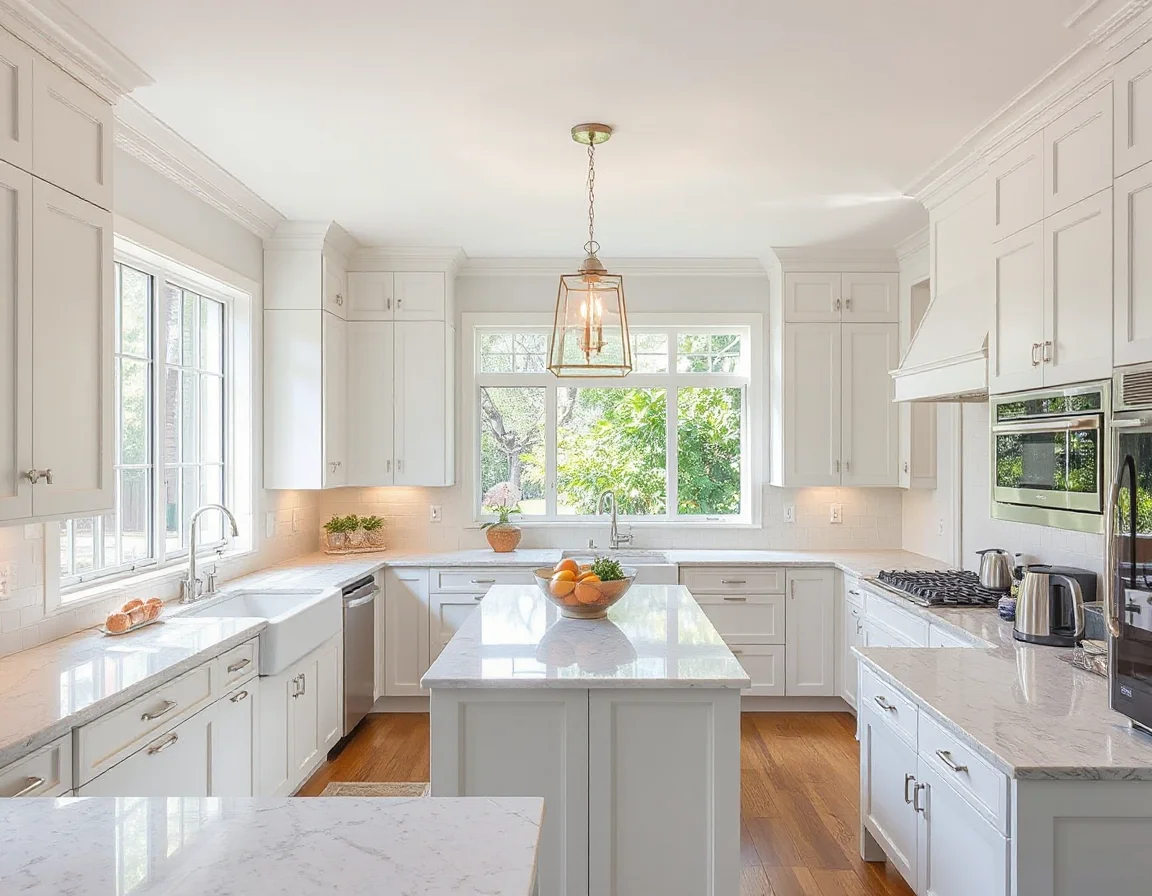
Preparation for photos matters. Remove personal paperwork, simplify countertops, open window coverings, replace burned-out bulbs, and make sure all spaces are accessible. If possible, photograph outdoor areas when landscaping is tidy and lighting is favorable. Patios, balconies, pools, lanais, and gardens can be important parts of how a Florida home is used, so they should receive the same attention as the primary interior rooms.
Showing readiness is equally important. Keep the property reasonably clean, make pet arrangements when needed, secure valuables and medications, and create a simple plan for short-notice appointments. Buyers often compare multiple homes in a single day; a home that is easy to access and comfortable to tour has a better opportunity to be considered on its own merits.
For condominium and townhome sellers, marketing should also accurately communicate the building or community features that are documented and available. Amenities, parking arrangements, storage, association fees, and policies should be stated carefully. Accuracy builds trust and reduces the chance that a promising showing is interrupted by basic unanswered questions.
Evaluate Offers Beyond the Purchase Price
An offer is more than its top-line number. Review the financing type, down payment, deposit, inspection period, appraisal contingency, closing date, requested concessions, inclusions, and any property-sale contingency. A lower offer with fewer obstacles or a timing structure that fits your plans may be more attractive than a higher offer with extensive conditions. The best choice depends on your priorities, risk tolerance, and the specific terms on the table.
Inspection negotiations deserve a measured approach. Most homes will have some findings, particularly in Florida’s climate, where roofs, electrical systems, plumbing, moisture management, and exterior components receive close attention. The key is to distinguish between routine maintenance, meaningful repairs, and requests that are not supported by the contract or the property’s condition. Estimates, receipts, and clear communication can help keep discussions focused.
A well-organized seller can respond to inspections, appraisals, and association requests faster because key records are ready before contract deadlines begin.
If an appraisal is required, prepare a concise file of relevant upgrades, permits, comparable sales, and details that may not be obvious during a brief visit. This is not a substitute for the appraiser’s independent analysis, but it can help ensure the property’s documented features are easy to verify. Throughout the transaction, stay focused on deadlines and maintain the property in showing condition until closing is complete.
Local perspective and responsive communication can make this process more manageable. William Busiek and Scuttina Signature Real Estate Group combine real estate experience with a current Florida market focus, providing direct access by cell phone and professional brokerage email. Whether you are planning months ahead or preparing to list soon, a clear strategy can help turn a complex sale into a more organized next step.
Talk about your Palm Beach County selling plan
A stronger sale is built through preparation, honest market analysis, and steady follow-through. When your property is cleanly presented, accurately priced, thoroughly documented, and supported by a plan for each stage of the transaction, buyers can focus on what the home offers—and you can move toward closing with greater clarity.